
Safety / guide
What to Ask a Tarot Reader: Questions That Get Useful Answers
How to frame tarot questions so you get reflection you can use, with examples by topic and the question types to avoid.
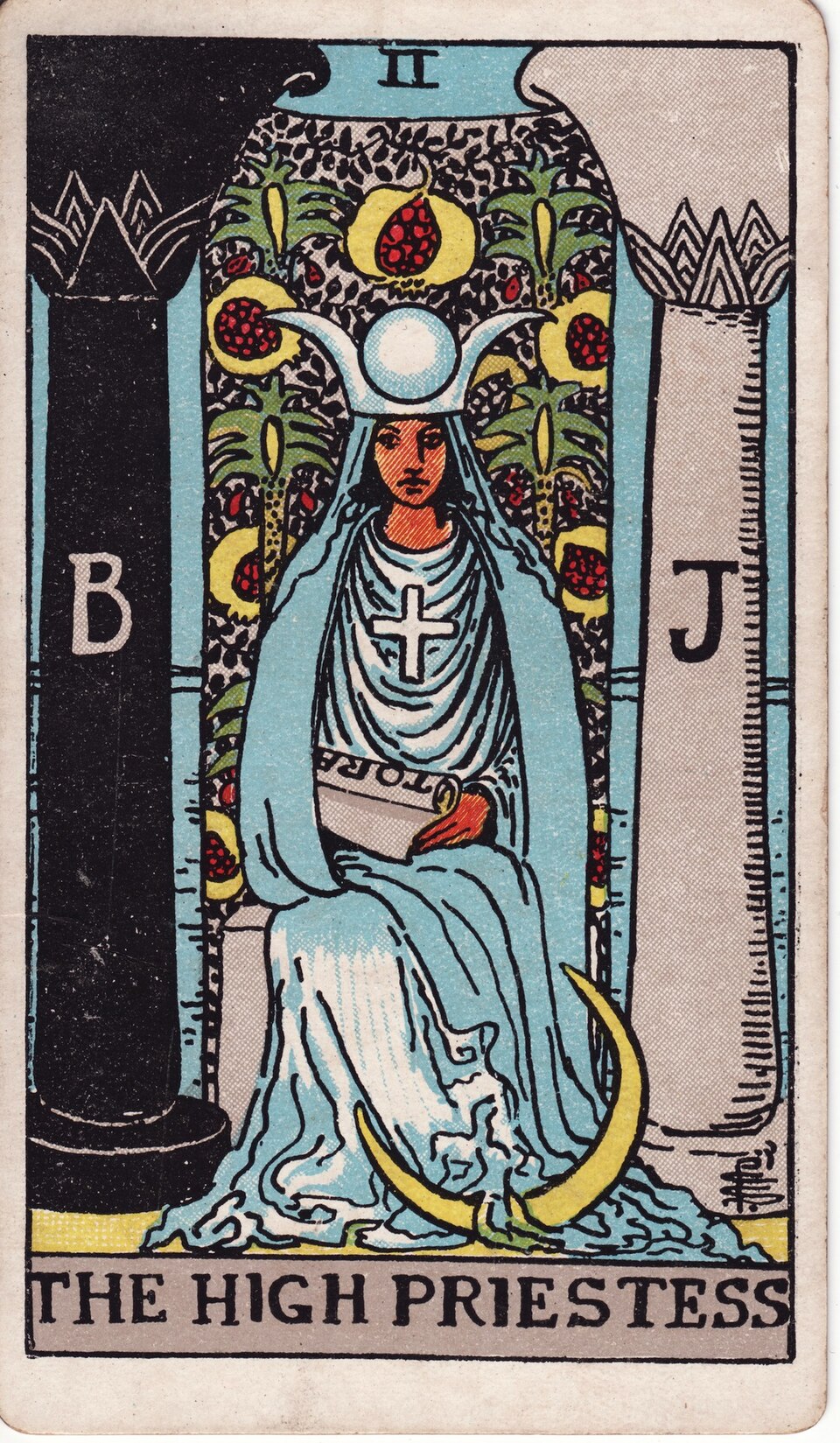
Why the question decides the reading
A tarot reading is only as useful as the question behind it. Open, reflective questions give a reader room to offer something you can act on; closed yes/no or fixed-prediction questions box them into guesswork.
Spending two minutes on your question improves a $5 reading and a $90 one alike.
Strong question shapes
Questions that start with “What should I understand about…”, “What pattern am I repeating in…”, “What would help me move forward with…”, or “What do I need to see about…” keep the focus on your choices and patterns, which is where reflection is genuinely useful.
Add light context so the reader can be specific.
Questions to avoid
Avoid “Will he come back?”, “When will I get the job?”, “Does she love me?”, and anything demanding a certain date or outcome. These push readers toward vague or overconfident answers and set you up to act on something a reading cannot actually provide.Examples by topic
Love: “What pattern am I repeating in relationships?” or “What do I need to understand before reaching out?”
Career: “What is blocking me from making this decision?” or “What would help me move forward in my job search?”
Each keeps the focus on you.
Match the question to the format
A precise question suits a written reading, where the reader has time to structure an answer. Broad, exploratory questions can work in audio or live formats.
Decide your one main question first, then choose the gig and format that fit it best.
The anatomy of a question that works
A useful tarot question has three parts: a focus on you, an open shape, and a sliver of context. Focus on you means the subject is your choices, patterns, or understanding, not another person’s hidden thoughts.
Open shape means it invites description rather than a yes or no - ‘what should I understand’ beats ‘will it happen’. Context means one or two sentences of situation so the reader can be specific rather than generic.
“Will he text me back?” has none of them. Build your question with the three parts and almost any reader will give you more.
Layering follow-up questions
If a gig allows more than one question, resist the urge to ask three unrelated things. A reading is more coherent when follow-ups deepen a single thread: a main question about a decision, then a follow-up about what is holding you back, then one about what would help you move.
That structure gives the reader a story to interpret rather than a checklist to spread thin. When you only have one question, make it the main one and save the rest for a future reading once you have sat with the first answer.
FAQ
What makes a good tarot question?
Open questions focused on your own choices and patterns - ‘what should I understand before…’ - produce more useful readings than yes/no or fixed-prediction questions.Can I ask about another person?
It is better to ask about your side of a situation. No reading can reliably report another person’s private thoughts or future choices.How many questions should I ask?
Usually one focused question per reading. A single clear prompt gives a more useful, specific result than several vague ones.Should I tell the reader any background?
Yes - one or two sentences of context help the reader be specific instead of generic. Share the situation, not your entire history, and keep the focus on your own role in it.Can I ask the same question twice if I don't like the answer?
Re-asking until you get the answer you want undermines the point of the reading. If an answer is unclear, a single clarifying follow-up is fine; repeatedly re-rolling the same question is not.If you decide to book
Anyone preparing to order a reading who wants better results. When you know what you want, you can generate a clearer question →.
Explore more safety guides
Related Guides
Data anchors last checked: 2026-06-17.